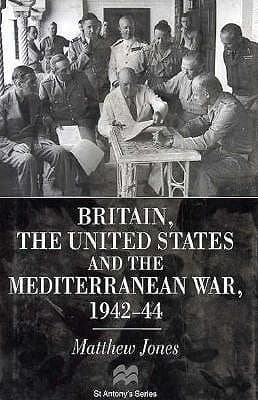
Britain, the United States and the Mediterranean War, 1942-44
Description
The record of Anglo-American relations in the Mediterranean during the Second World War was often characterised by deep tensions within the high command, in contrast to the public facade of harmonious and generous cooperation. By focusing on the evolution of the Mediterranean theatre's integrated command structure, this new study illuminates some of the major issues and disputes arising between the Allies from the invasion of French North Africa in 1942 to British intervention in Greece at the end of 1944. The role of Harold Macmillan, as Minister Resident at Allied Force Headquarters, was central to these matters, as the British attempted to preserve a 'senior' voice and safeguard their traditional interests in the Mediterranean in the face of the rising power of the United States. This book shows how the development of overall strategy, the conduct of military operations and political debates in the area of 'civil affairs' and postwar policy combined to influence differing national views on the nature of the Anglo-American 'partnership'.
Keywords
History
1996Book
Author(s)Matthew Jones
PublisherMacmillan Press
ISBN9780333611265
LanguageEnglish