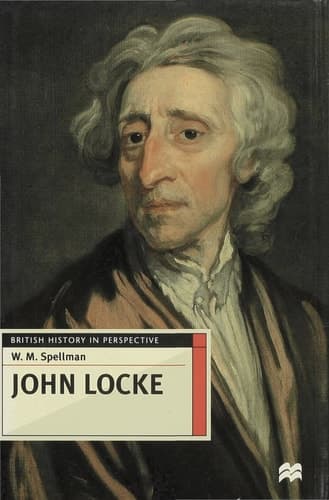
John Locke
Description
This book argues that while Locke's concern for the enhancement of individual autonomy, religious toleration, and constitutional government was indeed fundamental to later generations, Locke himself viewed the improvement of the human condition in terms of its relationship to the ancient Christian story. In particular, Locke's larger integration 'project' was to assist his contemporaries in their efforts both to recognise and to secure the greatest happiness. Locke, in other words, was chiefly interested in life beyond the grave, in salvation, and his recommendations for the reform of politics, education and religion were all viewed by the author as instrumental to the chief business of humankind. Locke's universe was a God-directed one, where human's were set specific tasks and where reward was contingent upon behaviour in this life. Locke viewed himself as a defender of the historical faith, and his work was devoted to broadening the opportunities for individual salvation.
Keywords
Christian Books & BiblesReligion & SpiritualityPolitics & Social SciencesPhilosophyModern