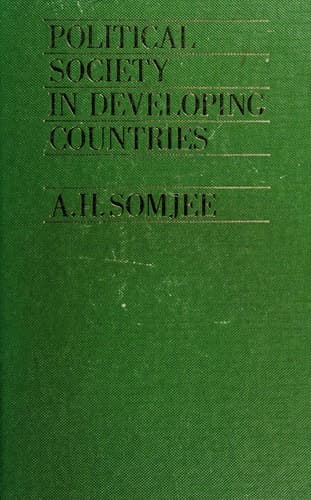
Political Society in Developing Countries
Description
This book is about some of the dos and don'ts, normative as well as pragmatic, which underlie the working of liberal political institutions, and which the developing countries of our time have difficulty in grasping. It argues that in the establishment, effective operation and survival of such institutions, a repeatedly arrived at balance between what is normatively desirable and what is politically possible is crucial. Such a balance has to manifest itself in the political conduct of people on both sides of the power divide. Furthermore, it emphasizes the need for the realization on the part of those who operate liberal institutions as well as those who are served by them, that, despite all the shortcomings, such institutions are worth preserving to protect the freedoms, interests and well-being of all concerned.
Keywords
Politics & Social SciencesPolitics & GovernmentPolitical ScienceElections & Political Process